

Global Competition for AI Talent Intensifies as Countries Reform Immigration
Global Competition for AI Talent Intensifies as Countries Reform Immigration
Details
Core information and root causes
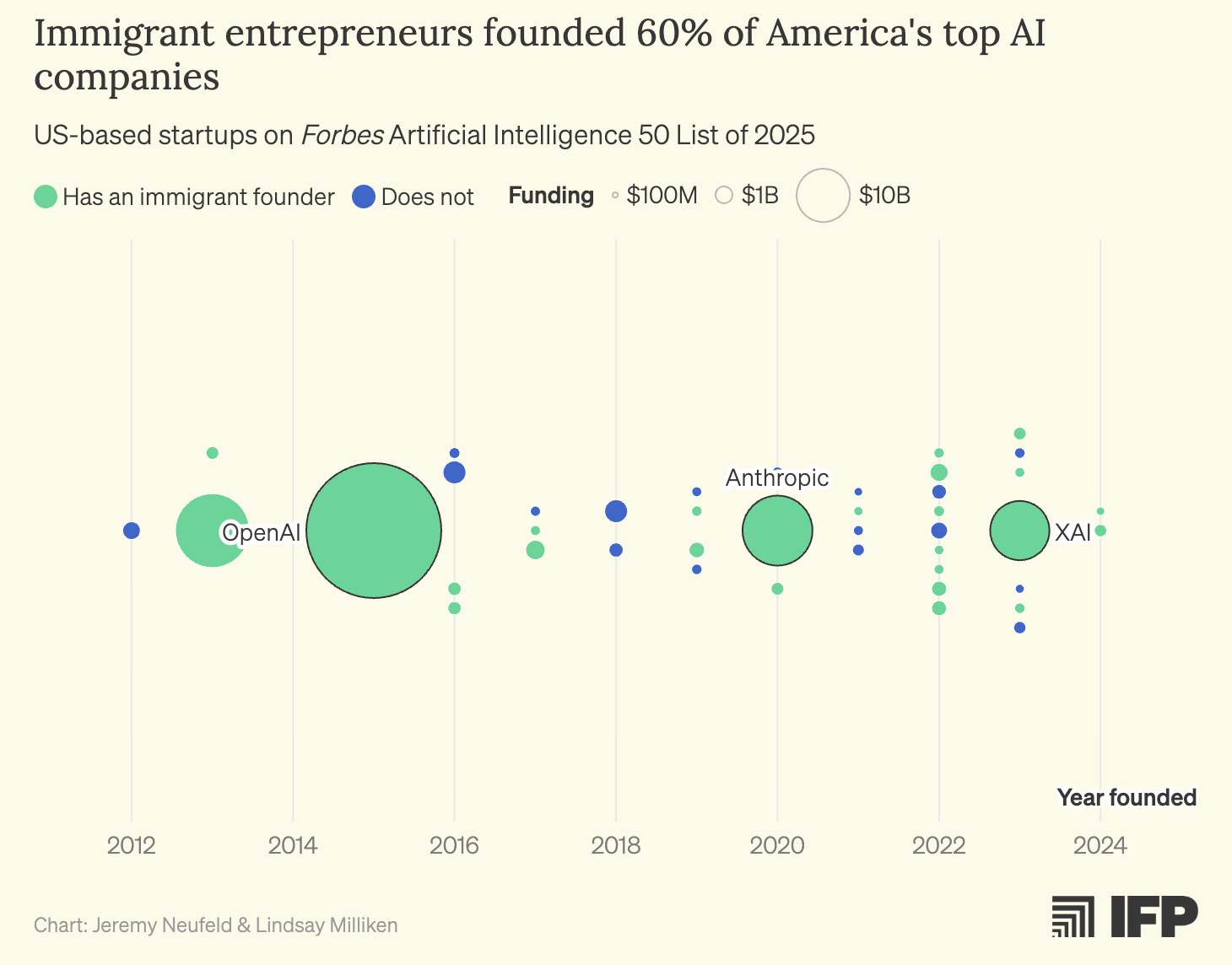
The United States faces unprecedented competition for AI talent as other nations implement aggressive immigration reforms and talent attraction programs. While 60% of top US AI companies have immigrant founders, countries like Canada, UK, Singapore, and Australia are actively courting this same talent pool with streamlined visa processes and faster pathways to permanent residency.
Technical Barriers
Competing countries have modernized their immigration systems with digital processing, AI-powered application reviews, and express entry programs. Canada's Express Entry system processes applications in 6 months versus years in the US. The UK's Global Talent Visa offers immediate permanent residency eligibility. Singapore's Tech.Pass provides flexibility to start companies without sponsor requirements.
Root Causes
The competitive disadvantage stems from the US maintaining a 1990s-era immigration framework while other nations adapted to 21st-century talent mobility. Countries recognized immigration as a strategic economic tool and invested in system modernization. The US political gridlock prevents comprehensive reform despite bipartisan recognition of the need for high-skilled immigration.
Scope
This affects the entire global AI talent pipeline. Of the immigrant founders in the Forbes AI 50, many could have chosen alternative destinations. With founders from 25 countries including India, China, France, UK, Israel, and Canada, each represents a choice to build in America that increasingly faces competition from their home countries and third nations.
Industry Initiatives
Tech companies establish offices in talent-friendly countries, with Google, Microsoft, and Meta significantly expanding Canadian operations. Venture capital firms open international offices to invest in companies that couldn't be built in the US. Industry groups benchmark US immigration against competing systems and advocate for matching reforms.
Government Led
Government Actions
The US has made incremental improvements including STEM OPT extensions and the International Entrepreneur Rule. However, comprehensive reform remains elusive. Meanwhile, competing countries continue to innovate: Canada launched the Digital Nomad Strategy, the UK created the Scale-up Visa, and the EU proposed a unified Blue Card system for tech talent.
Related
Connected bottlenecks and relationships
- Brain drain from US universities to other countries
- Declining international student enrollment in US STEM programs
- Rise of global AI hubs outside Silicon Valley
- Remote work enabling talent to contribute from anywhere