
Mismatch Between AI Infrastructure Needs and Traditional Research Structure
Mismatch Between AI Infrastructure Needs and Traditional Research Structure Traditional small-grant university model lacks massive compute clusters and engineering teams
Details
Core information and root causes
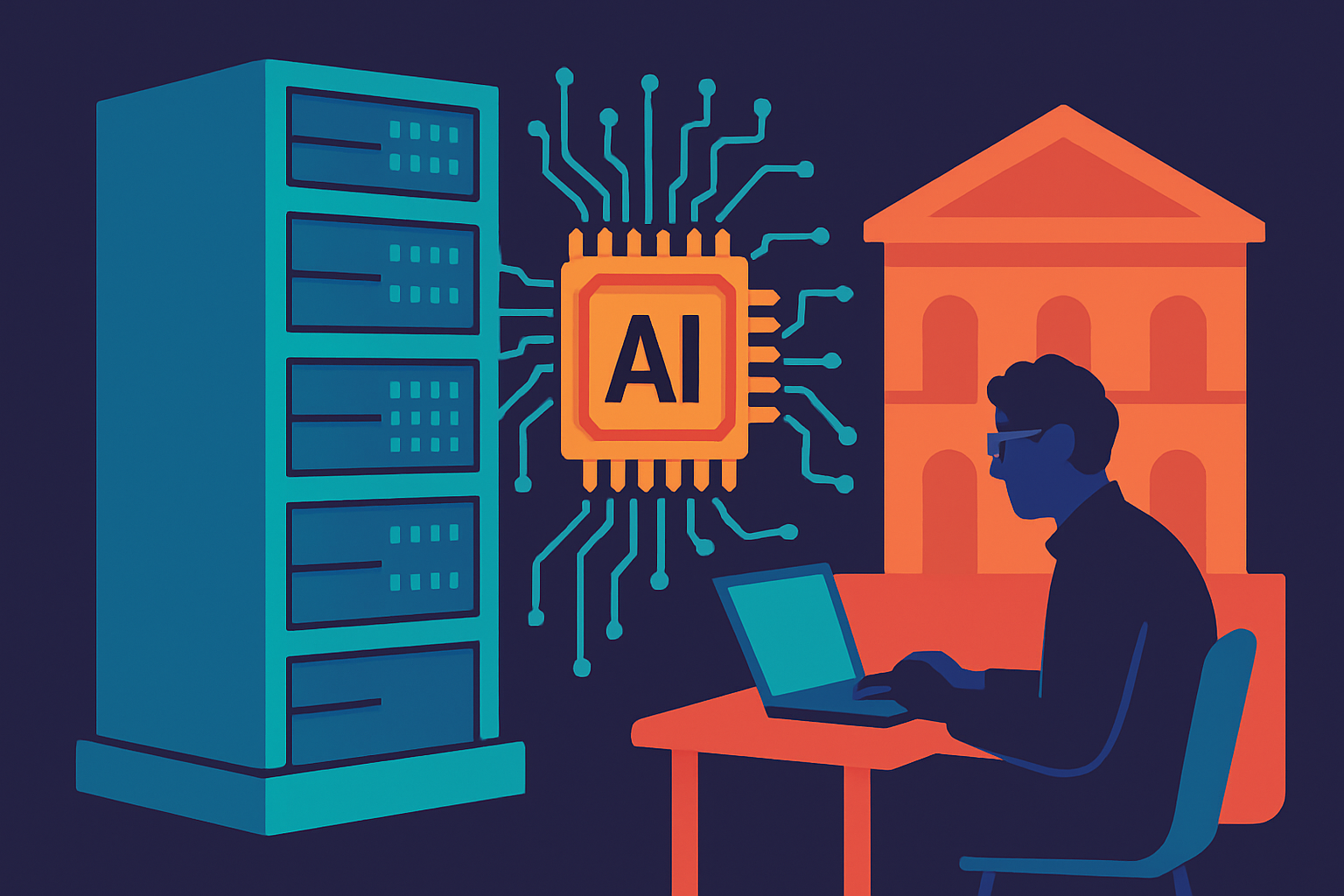
The American science funding ecosystem's classical model of small, project-based grants awarded to individual investigators at universities is poorly suited to AI-driven scientific research1. AI-driven research increasingly requires resources that universities don't have: large-scale compute infrastructure and dedicated engineering teams to help manage compute and data. Even if AI enables dramatic improvements in our knowledge about the world, our institutional systems may severely limit our ability to harness it.
Technical Barriers
- Compute resource gaps: Universities lack the massive computational infrastructure needed for frontier AI research
- Engineering talent shortage: Academic institutions cannot compete with industry for specialized AI engineering talent
- Infrastructure coordination: Individual grants cannot fund the large-scale, coordinated infrastructure needed for AI research
- Resource fragmentation: Small, project-based grants create inefficient resource allocation for compute-intensive research
Root Causes
- Legacy funding models: Grant system designed for pre-AI era research with lower computational requirements
- Academic compensation constraints: Universities cannot match industry salaries for top AI engineering talent
- Infrastructure economics: Individual research grants cannot economically justify large-scale compute investments
- Institutional capacity limits: Universities lack experience managing large-scale technical infrastructure projects
Scope
- Industries affected: Academic research institutions, government research labs
- Geographic regions: United States academic research ecosystem
- Population affected: Thousands of researchers and students in AI-related fields
- Critical timeframe: Immediate - gap between AI research needs and institutional capacity is widening rapidly
Timeline
Emergence: Became apparent as AI research requirements scaled dramatically (2020s) Current phase: Growing mismatch between AI research needs and traditional academic infrastructure (2024-2025) Critical period: Next 3-5 years as AI research requirements continue expanding exponentially
Forecast
Future scenarios and predictions
Future Scenarios
Scenario 1
Comprehensive Academic Infrastructure Transformation
Why It Happens:
- Major government investment in research infrastructure modernization
- Successful pilot programs demonstrate feasibility and benefits
- Universities successfully compete for AI engineering talent
What It Means: The bottleneck largely disappears as academic institutions develop AI-ready infrastructure and organizational models comparable to industry.
When:
- Early signs: 2026-2028
- Full effect: 2030-2035
Likelihood: LOW Requires massive investment and fundamental institutional change.
Scenario Type: DISAPPEARS Timeframe: LONG_TERM
Scenario 2
Hybrid Academic-Industry Model Development
Why It Happens:
- Public-private partnerships develop for shared research infrastructure
- New organizational models like Arc Institute and FutureHouse prove successful
- Incremental improvements in traditional academic funding
What It Means: The bottleneck shifts as some research moves to new organizational models while traditional universities adapt more slowly.
When:
- Early signs: 2024-2026
- Full effect: 2027-2032
Likelihood: HIGH Most consistent with current trends and institutional constraints.
Scenario Type: SHIFTS Timeframe: MEDIUM_TERM
Considerations
Key considerations and implications
Risk Analysis
Scenario 1
Academic Brain Drain to Industry
Impact: HIGH
Likelihood: HIGH
Risk Analysis Type: RISK_IF_NOT_SOLVED
What Happens Top AI research talent continues migrating from academia to industry, leaving universities with inadequate expertise for frontier research.
Why It Occurs Industry continues to offer superior resources, compensation, and infrastructure that academia cannot match.
Mitigation Strategies
- Dramatically increase academic compensation and resources
- Develop shared infrastructure models between academia and industry
- Create sabbatical and exchange programs to retain academic connections
Affected Areas Academic research quality, talent pipeline, fundamental research capacity
Scenario 2
Loss of Academic Independence
Impact: MEDIUM
Likelihood: MEDIUM
Risk Analysis Type: RISK_IF_SOLVED
What Happens Increased industry partnerships and infrastructure sharing might compromise academic independence and public interest focus.
Why It Occurs Industry partners might influence research priorities and publication decisions through infrastructure dependencies.
Mitigation Strategies
- Maintain clear independence criteria for academic partnerships
- Ensure diversified funding sources to avoid single-industry dependence
- Establish governance structures that protect academic freedom
Affected Areas Academic independence, research priorities, public interest research
Resources
Sources, references, and supporting materials
References
- IFP "Preparing for Launch" analysis of academic research infrastructure challenges
- Arc Institute and FutureHouse as examples of AI-ready research organizations
- Traditional academic funding model limitations for AI research
Primary Sources
IFP Preparing for Launch (2025): "Preparing for Launch"
- Sections: Analysis of academic research infrastructure needs for AI
- URL: https://ifp.org/preparing-for-launch/
- Key findings: "AI-driven research increasingly requires resources that universities don't have: large-scale compute infrastructure and dedicated engineering teams"
Industry Reports
- Arc Institute Organizational Model Documentation
- FutureHouse Research Infrastructure Approach
- NSF Funding Mechanism Analysis
References
- IFP Preparing for Launch analysis
Contributors
People and organizations involved
Contributors
Primary Authors
AI Analysis - Based on IFP Article Analysis
- Sections: All sections based on source material analysis
- Expertise: Analysis of "Preparing for Launch" article by IFP
AI Assistance
Claude (Anthropic) - Content analysis and bottleneck card creation
- Sections: All sections with human oversight
- Human oversight: Information limited to source material only
- Limitations: Analysis limited to information available in source article