
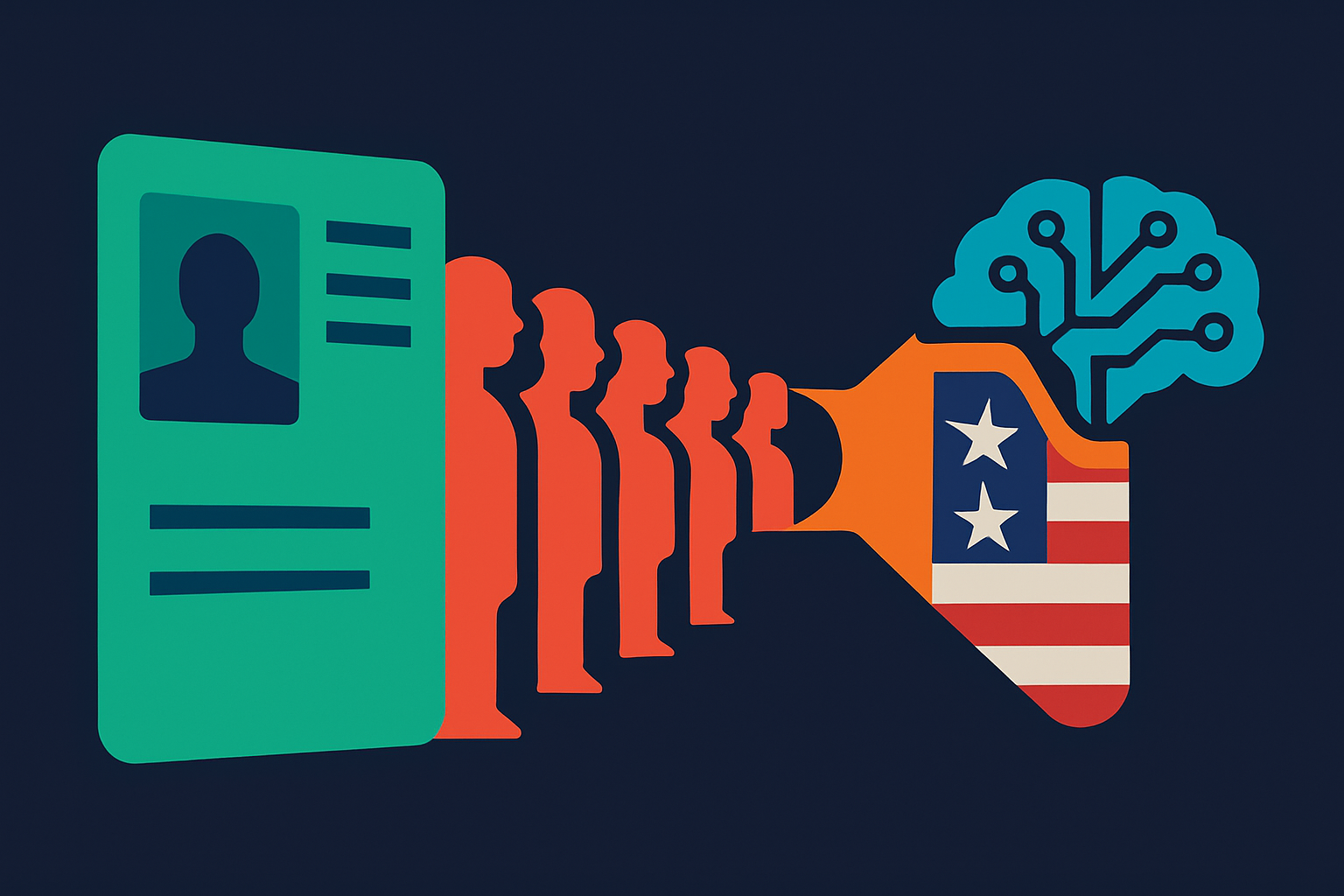
Green Card Processing Delays Threaten US AI Leadership
The United States faces a critical bottleneck in maintaining its AI dominance due to increasingly long wait times
Details
Core information and root causes
The United States faces a critical bottleneck in maintaining its AI dominance due to increasingly long wait times for green cards, particularly affecting high-skilled immigrants who comprise 60% of AI startup founders. With visa processing times extending from months to years, talented individuals who come to the US on student visas face uncertainty about their ability to remain and build companies.
Technical Barriers
The US immigration system operates on country-based quotas established in 1990, creating backlogs of over 1 million pending applications. Processing systems remain largely paper-based and manual, with USCIS handling millions of cases through outdated infrastructure. The per-country limits mean individuals from India and China face wait times exceeding 10 years for employment-based green cards.
Root Causes
The fundamental issue stems from immigration laws that haven't been updated since 1990, despite dramatic changes in the global tech landscape. The 140,000 annual cap on employment-based green cards hasn't adjusted for population growth or economic needs. Additionally, the 7% per-country cap creates artificial barriers for nationals from countries with large populations of skilled workers.
Scope
This bottleneck affects the entire US AI ecosystem. Over 70% of immigrant founders of top US AI startups first arrived on student visas. The 2025 Forbes AI 50 list shows 25 of 42 US-based companies were founded by immigrants from 25 different countries, with India (9 founders) and China (8 founders) leading.
:::